Winter Care for Golden Retrievers: 12 Essential Tips for Cold Weather Safety
Table of Contents
Picture this: your Golden Retriever bounding through fresh snow, golden coat dusted with white, pure joy radiating from every leap and dive. It's a scene that warms every Golden owner's heart. But beneath that picturesque moment lurk serious winter hazards that many owners don't recognize until problems occur.
Yes, Golden Retrievers have thick double coats designed for cold weather. But that doesn't make them immune to winter's dangers. Hypothermia, frostbite, toxic chemical exposure, and dry skin issues affect Golden Retrievers every winter—problems that are entirely preventable with proper knowledge and preparation.
This comprehensive guide provides twelve essential strategies for winter Golden Retriever care. Whether you live in a region with mild winters or face months of sub-zero temperatures, these tips will help you navigate the cold season safely, ensuring your Golden enjoys winter's beauty without suffering its consequences.
1. Understanding Your Golden's Cold Tolerance
Golden Retrievers tolerate cold better than many breeds, but they're not Arctic dogs. Their double coat provides excellent insulation, with a dense undercoat trapping warm air and a water-resistant outer coat repelling moisture. However, tolerance varies significantly between individual dogs.
Factors affecting cold tolerance include age (puppies and seniors are more vulnerable), health status, body condition (lean dogs have less insulation), coat condition, and acclimation. A Golden who lives primarily indoors will have lower cold tolerance than one who spends significant time outdoors year-round.
General guidelines: most healthy adult Goldens are comfortable down to 20-25°F. Below this, limit outdoor time and watch for discomfort signs. Below 10°F, only brief outdoor bathroom breaks are appropriate. Wind chill and wet conditions dramatically reduce tolerance—a wet Golden in 35°F windy weather faces more risk than a dry Golden in 20°F calm conditions.
Watch for cold stress signs: shivering, reluctance to walk, lifting paws off the ground, hunched posture, whining, or seeking shelter. If you observe these, bring your Golden inside immediately and warm them gradually.
2. The Coat Controversy: To Trim or Not to Trim
This question divides Golden owners every winter. The answer is nuanced. Your Golden's double coat is their natural insulation system, and maintaining it properly is crucial for winter comfort. However, "maintaining" doesn't mean letting it become matted or excessively long.
Regular brushing throughout winter is essential—aim for 3-4 times weekly. This removes dead undercoat, allowing the remaining coat to trap air more effectively. Matted fur loses insulating properties and can actually make your Golden colder. It also traps moisture against skin, increasing hypothermia risk.
Avoid shaving or significantly trimming your Golden's coat in winter. That coat is their primary defense against cold. Light trimming of paw pad fur is acceptable and actually beneficial—it prevents ice ball formation between toes. You can also trim sanitary areas for cleanliness.
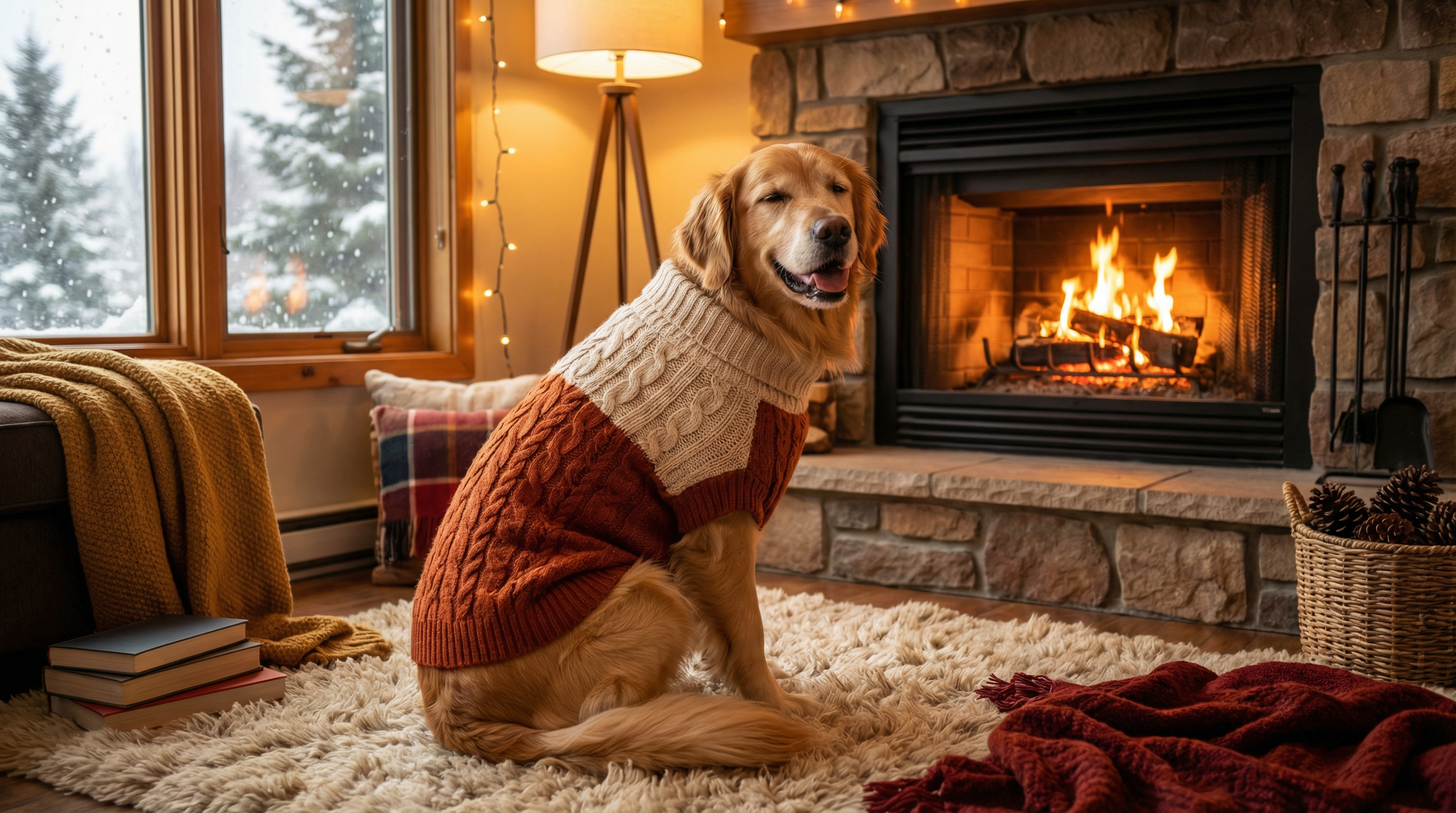
If your Golden's coat is severely matted, professional grooming is necessary. Explain to your groomer that you want mats removed while preserving as much length as possible. After grooming, your Golden may need a coat or sweater until their coat regrows sufficiently.
3. Paw Protection: The Critical Priority
Golden Retriever paws face multiple winter threats: ice, snow, salt, chemical de-icers, and cold surfaces. Unprotected paws can suffer frostbite, chemical burns, and painful cracking. Fortunately, protection is straightforward.
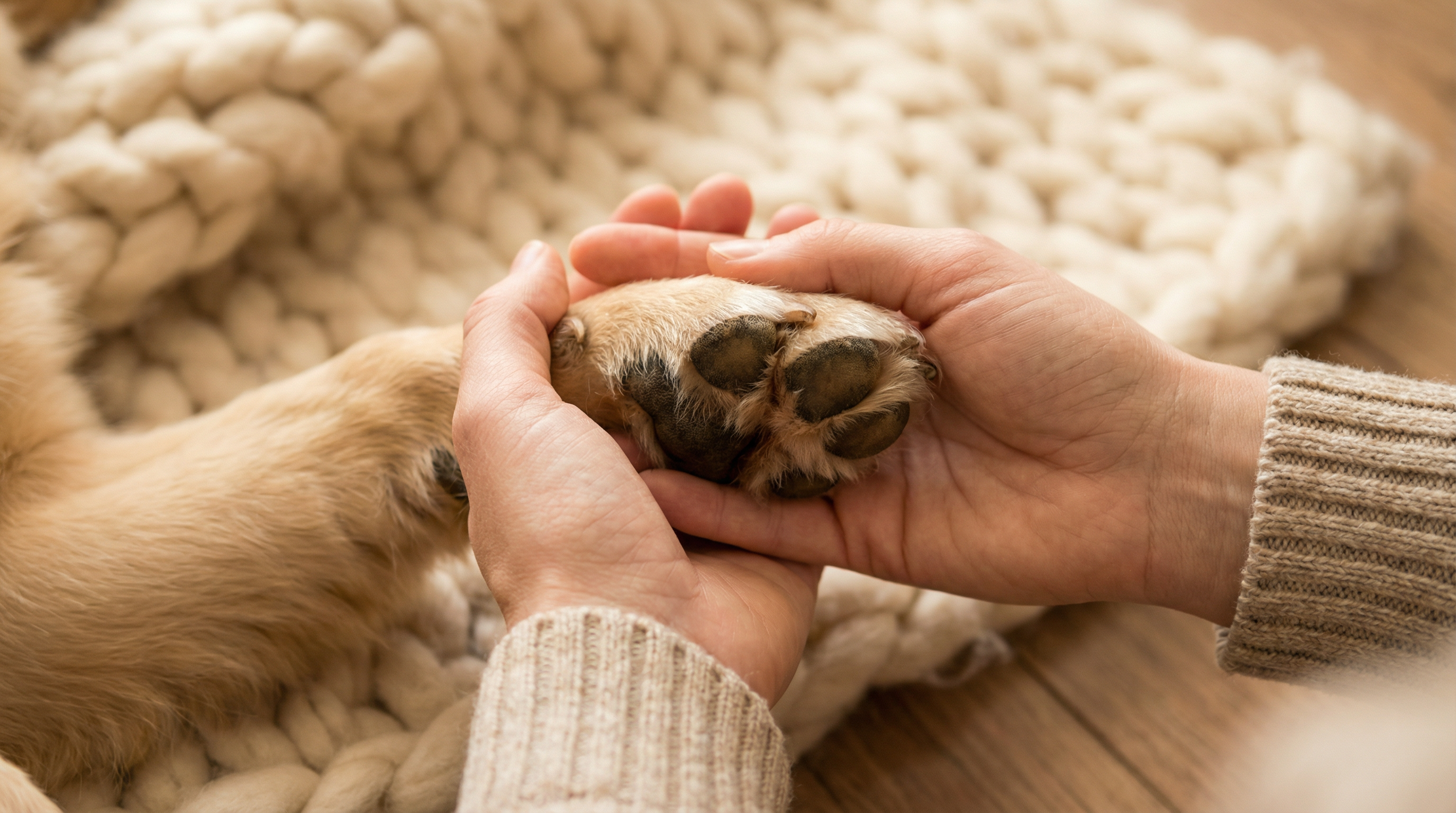
Before winter arrives, condition paw pads with a quality paw balm. Apply 2-3 times weekly to keep pads supple and create a protective barrier. Continue this throughout winter. Before walks, apply a thin layer of balm or petroleum jelly to provide additional protection against salt and chemicals.
Consider dog booties for extended outdoor time or when temperatures drop below 20°F. Yes, they look silly, and yes, your Golden will walk funny initially. But booties provide unmatched protection against all winter paw hazards. Choose booties with secure closures, non-slip soles, and water-resistant material.
After every winter walk, rinse paws with lukewarm water to remove salt and chemicals. Dry thoroughly, especially between toes. Check pads for cracks, cuts, or signs of chemical irritation. If you notice redness or your Golden licks paws excessively, they may have contacted irritating substances.
4. The De-Icer Danger
Salt and chemical de-icers pose serious threats to Golden Retrievers. These products irritate paw pads, causing painful burns and cracking. When your Golden licks their paws (which they will), they ingest these chemicals, leading to gastrointestinal upset, electrolyte imbalances, or even poisoning.
Common de-icers include rock salt (sodium chloride), calcium chloride, and magnesium chloride. All can harm dogs, though some are worse than others. Ethylene glycol-based products (also found in antifreeze) are extremely toxic—even small amounts can cause kidney failure and death.
Protect your Golden by avoiding areas where de-icers have been applied when possible. If you must walk on treated surfaces, use booties. After walks, always rinse and dry paws thoroughly. If your Golden shows signs of poisoning (vomiting, diarrhea, excessive drooling, weakness, seizures), seek emergency veterinary care immediately.
For your own property, choose pet-safe de-icing products. Options include calcium magnesium acetate, urea-based products, or sand/kitty litter for traction without chemicals. These alternatives are gentler on paws and safer if ingested.
5. Hypothermia and Frostbite: Recognition and Response
Despite their thick coats, Golden Retrievers can develop hypothermia and frostbite in extreme conditions. Knowing how to recognize and respond to these emergencies can save your dog's life.
Hypothermia occurs when body temperature drops below normal (normal canine temperature is 101-102.5°F). Early signs include shivering, lethargy, and weakness. As it progresses, you'll see muscle stiffness, slow or shallow breathing, dilated pupils, and decreased heart rate. Severe hypothermia causes collapse and loss of consciousness.
If you suspect hypothermia, bring your Golden indoors immediately. Wrap them in warm blankets and place warm (not hot) water bottles against their body. Offer warm (not hot) water or broth if they're conscious and able to drink. Check temperature rectally if possible. Contact your veterinarian—moderate to severe hypothermia requires professional treatment.
Frostbite typically affects extremities: ear tips, tail tip, and paw pads. Affected areas appear pale or gray and feel cold and hard. As they warm, they may become red, swollen, and painful. Severe frostbite causes tissue death and sloughing.
If you suspect frostbite, bring your Golden inside and warm affected areas gradually with warm (not hot) water or warm compresses. Never rub frostbitten tissue—this causes additional damage. Seek veterinary care promptly. Frostbite damage may not be apparent for several days, so professional evaluation is important even if initial symptoms seem mild.
6. Indoor Air Quality and Dry Skin
Winter's dry indoor air affects Golden Retrievers just like humans. Central heating reduces humidity, leading to dry, itchy skin and dull coat. Your Golden may scratch more, develop dandruff, or show flaky skin.
Combat this with a humidifier in areas where your Golden spends time. Aim for 30-50% humidity. This benefits both your Golden and your family. Some owners run humidifiers only in bedrooms where their dogs sleep, which still provides significant benefit.
Adjust bathing frequency in winter. While regular bathing is important year-round, winter's dry air means you may need to bathe less frequently—perhaps every 6-8 weeks instead of monthly. When you do bathe, use a moisturizing dog shampoo and always follow with conditioner.
Increase omega-3 fatty acids in your Golden's diet. These support skin health and coat quality. Fish oil supplements are most common, though some owners prefer krill oil or algae-based options. Consult your veterinarian about appropriate dosing.
7. Exercise Adjustments for Cold Weather
Golden Retrievers need exercise year-round, but winter requires modifications. Extremely cold temperatures, ice, and reduced daylight all impact exercise routines. The key is maintaining activity while prioritizing safety.
On very cold days (below 20°F), shorten outdoor sessions and increase frequency. Instead of one 45-minute walk, do three 15-minute sessions. This provides exercise without prolonged cold exposure. Focus on high-intensity activities that warm your Golden quickly: fetch, tug-of-war, or brisk walking.
Supplement outdoor exercise with indoor activities. Hide-and-seek, indoor fetch (with soft toys), stair climbing (if your Golden has healthy joints), treadmill walking, and training sessions all provide mental and physical stimulation. Puzzle toys and food-dispensing toys keep minds engaged during indoor time.
Consider indoor dog facilities: doggy daycares, indoor dog parks, or training facilities that offer open play time. These provide safe exercise and socialization opportunities during harsh weather.
8. Nutrition and Hydration in Winter
Your Golden's nutritional needs may change in winter. Dogs who spend significant time outdoors burn more calories maintaining body temperature. If your Golden is very active outdoors or lives partially outside, you may need to increase food portions by 10-20%.
However, many Golden Retrievers become less active in winter, especially those who primarily exercise outdoors. Reduced activity means reduced calorie needs. Monitor your Golden's body condition and adjust portions accordingly. Winter weight gain is common and problematic—excess weight stresses joints and increases health risks.
Hydration remains crucial in winter despite cooler temperatures. Some dogs drink less when water is cold. Ensure water bowls don't freeze if kept outdoors. Some owners provide lukewarm water to encourage drinking. Monitor water intake—decreased drinking can lead to urinary tract issues.
9. Visibility and Safety in Dark Conditions
Winter's shortened daylight means many walks occur in darkness. This creates safety hazards: reduced visibility for drivers, difficulty seeing hazards on the ground, and risk of losing sight of your Golden if they're off-leash.
Invest in visibility gear: LED collar lights, reflective vests or harnesses, and reflective leashes. These make your Golden visible to vehicles and help you track them in darkness. Some owners also wear headlamps to illuminate the path ahead.
Stick to well-lit routes when possible. Avoid areas with heavy traffic during dark hours. If your Golden has reliable recall, off-leash play in fenced areas is safer than walking near roads in darkness.
Consider adjusting your schedule to maximize daylight walking opportunities. Mid-day walks, even if brief, provide valuable daylight exposure for both you and your Golden.
10. Vehicle Safety in Cold Weather
Cars pose unique winter dangers for Golden Retrievers. Never leave your Golden in a cold car—just as cars become ovens in summer, they become refrigerators in winter. Even with the engine running, carbon monoxide can accumulate, causing poisoning.
Before starting your car, check underneath and around it. Outdoor cats and wildlife sometimes seek warmth in wheel wells or under hoods. Bang on the hood before starting the engine to scare away any animals.
Antifreeze (ethylene glycol) is extremely toxic to dogs and has a sweet taste they find appealing. Even tiny amounts cause kidney failure and death. Clean up any spills immediately and store antifreeze securely. Consider switching to propylene glycol-based antifreeze, which is less toxic (though still not safe).
After car rides, check your Golden's paws for salt and de-icer residue picked up in parking lots. Rinse and dry paws before allowing them to lick their feet.
11. Creating a Cozy Indoor Environment
Your Golden spends more time indoors during winter, so creating a comfortable environment is important. Provide a warm, draft-free sleeping area away from exterior doors and windows. Elevated dog beds keep your Golden off cold floors, and orthopedic beds provide extra comfort for seniors or dogs with joint issues.
Blankets allow your Golden to adjust their warmth level—they can burrow when cold or lie on top when comfortable. Heated dog beds are available for Goldens who feel the cold significantly, though most healthy adults don't need them.
Maintain a consistent indoor temperature. While you might lower the thermostat at night or when away, remember your Golden is there. If you're cold, they probably are too.
12. Health Monitoring and Veterinary Care
Winter exacerbates certain health conditions. Arthritis worsens in cold weather—you may notice your Golden moving more stiffly or showing reluctance to exercise. Discuss pain management options with your veterinarian. Options include NSAIDs, joint supplements, physical therapy, and environmental modifications.
Respiratory conditions can also worsen in cold, dry air. If your Golden has a history of respiratory issues, monitor them closely and contact your vet if symptoms increase.
Don't skip regular veterinary care because of weather. Routine checkups, vaccinations, and preventive care remain important year-round. Many parasites remain active in winter, so continue heartworm and flea/tick prevention as recommended by your vet.
Conclusion
Winter doesn't have to be a season of worry for Golden Retriever owners. With proper preparation, awareness of risks, and consistent care, your Golden can enjoy winter safely and comfortably. The strategies outlined here require minimal time and investment but provide maximum protection against winter's hazards.
Start preparing now, before the first snow falls. Assemble your winter care supplies, establish routines, and educate family members about winter safety. Your Golden's enthusiasm for snow and cold weather play is one of life's great joys—protect it by being a knowledgeable, prepared owner.
Bundle up, head outside, and enjoy winter with your Golden. With these twelve essential tips guiding you, you can embrace the season confidently, knowing you're providing the best possible care for your beloved companion.
Recommended Grooming Products
Keep your Golden Retriever looking and feeling their best with these essential grooming tools:
FURminator deShedding Tool for Large Dogs - Reduces shedding by up to 90% when used regularly. The stainless steel edge reaches deep beneath the topcoat to safely remove loose undercoat hair without damaging the guard hairs.
Check Current Price on Amazon →
Earthbath All Natural Pet Shampoo - Gentle, soap-free formula perfect for Golden Retrievers' sensitive skin. Made with oatmeal and aloe vera to soothe and moisturize while cleaning effectively.
Essential Care Products
As an Amazon Associate, we earn from qualifying purchases at no extra cost to you.

FURminator deShedding Tool for Large Dogs
Reduces shedding by up to 90% - perfect for Golden Retrievers' thick coats.

Earthbath All Natural Pet Shampoo
Gentle, soap-free formula perfect for Golden Retrievers' sensitive skin.

About Sarah Mitchell
Certified Canine Nutritionist, Animal Science Degree
Sarah Mitchell is a certified canine nutritionist and lifelong Golden Retriever enthusiast with over 15 years of experience in dog care and training. She holds a degree in Animal Science and has dedicated her career to helping Golden Retriever owners provide the best possible care for their beloved companions. Sarah lives in Colorado with her three Goldens: Max, Luna, and Cooper.