Table of Contents
Watching your vibrant, energetic Golden Retriever transition into their senior years can be bittersweet. While their muzzle grays and their pace slows, these years can be some of the most rewarding of your journey together. This comprehensive guide will help you understand the aging process, recognize age-related health changes, and implement strategies to keep your senior Golden comfortable, healthy, and happy for as long as possible.
When Is a Golden Retriever Considered Senior?
Golden Retrievers are generally considered seniors at 7-8 years old, though individual dogs age at different rates. Factors affecting aging include genetics, lifetime nutrition and weight management, exercise history, and overall health throughout life.
Some Golden Retrievers show few signs of aging until 10 or older, while others begin slowing down at 6-7. The key is recognizing changes in your individual dog rather than relying solely on age.
Normal Aging vs. Disease: Knowing the Difference
Many owners attribute health problems to "just getting old," missing treatable conditions. Understanding what's normal aging versus what requires veterinary attention is crucial.
Normal Age-Related Changes: Graying muzzle and face. Decreased energy and increased sleep. Mild stiffness after rest (improves with movement). Slight decrease in hearing or vision. Thinner, less lustrous coat. Mild weight gain or loss. Occasional confusion or disorientation.
Changes That Require Veterinary Attention: Significant weight loss or gain. Persistent limping or difficulty rising. Increased thirst or urination. Changes in appetite (increased or decreased). Coughing or difficulty breathing. Lumps or bumps, especially if growing. Vomiting or diarrhea lasting more than a day. Behavioral changes (aggression, anxiety, house soiling). Difficulty seeing or complete blindness. Complete deafness or balance problems.
When in doubt, have your vet evaluate any changes. Early intervention often prevents minor issues from becoming major problems.
Common Health Issues in Senior Golden Retrievers
As Golden Retrievers age, certain health conditions become more common. Being aware of these helps you catch problems early.
Arthritis and Joint Disease: Affects up to 80% of senior dogs. Causes pain, stiffness, and decreased mobility. May be related to earlier hip dysplasia or elbow dysplasia. Manageable with medications, supplements, weight control, and physical therapy.
Cancer: Risk increases significantly with age. Golden Retrievers have elevated cancer risk at all ages. Regular exams and vigilance for lumps, bumps, or behavior changes are essential. Many cancers are treatable if caught early.
Cognitive Dysfunction (Canine Dementia): Affects 14-35% of dogs over 8 years old. Symptoms include disorientation, altered sleep-wake cycles, house soiling, changes in interactions, decreased activity. Medications and supplements can slow progression and improve quality of life.
Heart Disease: Becomes more common with age. May cause coughing, exercise intolerance, or breathing difficulty. Regular cardiac exams help catch problems early. Many heart conditions are manageable with medication.
Kidney Disease: Chronic kidney disease is common in senior dogs. Early stages show no symptoms; detected only through blood work. Advanced stages cause increased thirst, urination, and decreased appetite. Early detection and management can slow progression.
Dental Disease: Affects 80% of dogs over 3 years old; worse in seniors. Causes pain, difficulty eating, and systemic health problems. Regular dental care and professional cleanings are essential.
Senior Wellness Care: Prevention Is Key
Proactive healthcare becomes even more important as your Golden ages. Increase veterinary visits and screening tests to catch problems early.
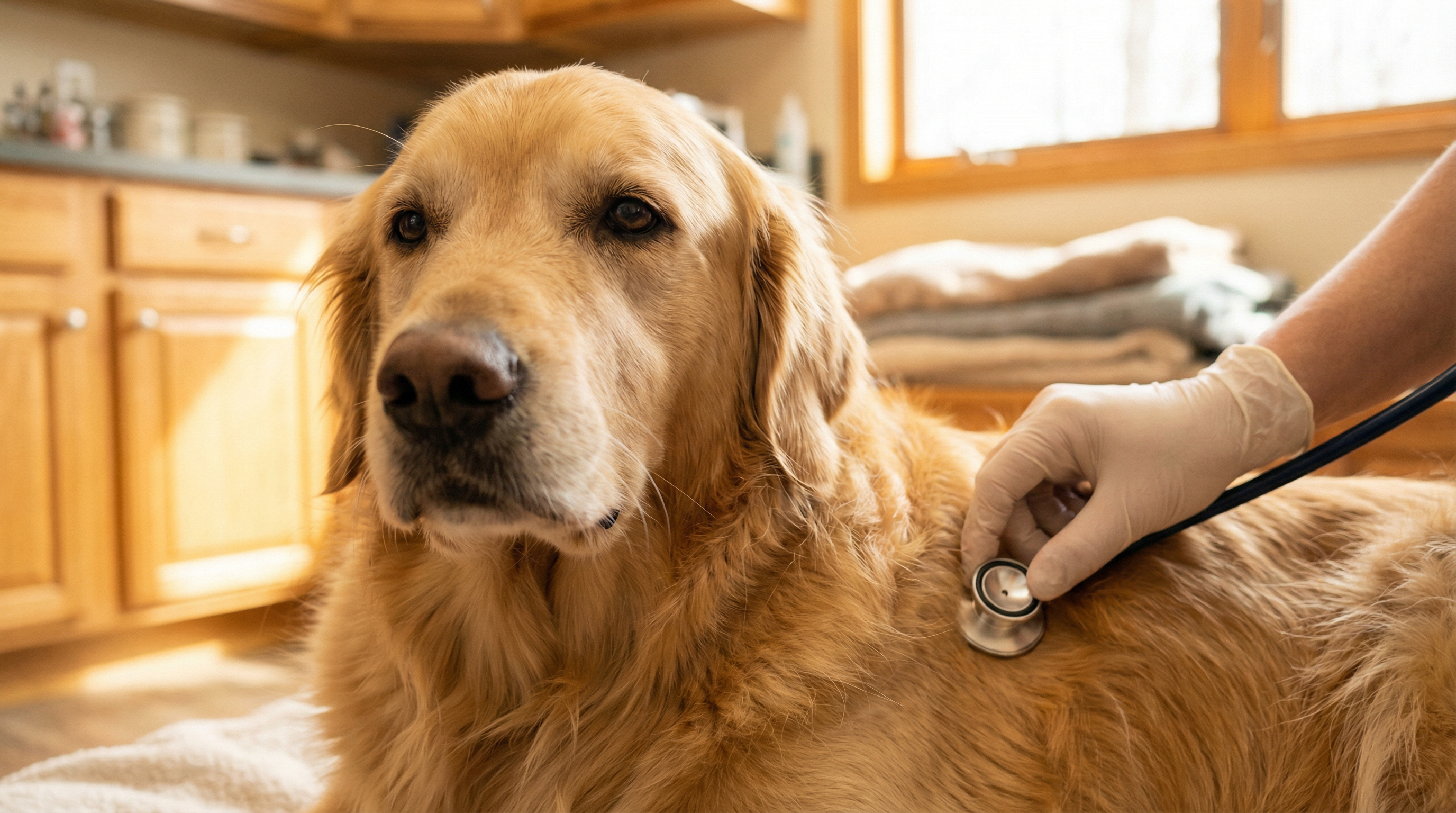
Veterinary Exams: Increase to twice yearly (every 6 months) after age 7. More frequent exams catch problems earlier when they're more treatable. Each exam should include thorough physical examination, weight check, and discussion of any changes you've noticed.
Screening Tests: Senior blood panel (complete blood count, chemistry panel) annually or twice yearly. Checks liver, kidney, and other organ function. Urinalysis to screen for kidney disease, diabetes, and urinary tract infections. Thyroid testing (hypothyroidism is common in Golden Retrievers). Blood pressure measurement. Cardiac evaluation including auscultation and possibly echocardiogram.
Dental Care: Professional dental cleanings as recommended by your vet. Home dental care (brushing, dental chews). Monitor for signs of dental pain (difficulty eating, pawing at mouth).
Cancer Screening: Thorough physical exam including palpation of lymph nodes and abdomen. Investigation of any new lumps or bumps. Chest x-rays and abdominal ultrasound if indicated.
Nutrition for Senior Golden Retrievers
Nutritional needs change as dogs age. Adjusting your Golden's diet supports healthy aging.
Calorie Needs: Senior dogs typically need 20-30% fewer calories due to decreased activity. Monitor body condition and adjust portions to maintain ideal weight. Obesity significantly worsens arthritis and other age-related conditions.
Protein Requirements: Contrary to old beliefs, senior dogs need high-quality protein to maintain muscle mass. Look for foods with 25-30% protein from quality sources. Avoid excessive protein only if kidney disease is present (and only under vet guidance).
Joint-Supporting Nutrients: Glucosamine and chondroitin support joint health. Omega-3 fatty acids reduce inflammation. Green-lipped mussel is a natural source of joint-supporting compounds. Many senior dog foods include these ingredients.
Digestive Support: Senior dogs may have more sensitive digestion. Highly digestible proteins and carbohydrates. Probiotics and prebiotics support gut health. Smaller, more frequent meals may be easier to digest.
Special Diets: Kidney support diets if kidney disease is present. Cardiac diets for heart disease. Prescription diets for specific health conditions. Always transition gradually to avoid digestive upset.
Exercise and Mental Stimulation
While senior Golden Retrievers can't run like puppies, they still need regular activity for physical and mental health.
Physical Exercise: Continue daily walks, adjusted for your dog's ability. Shorter, more frequent walks instead of long hikes. Swimming is excellent low-impact exercise. Avoid high-impact activities like jumping or running on hard surfaces. Let your dog set the pace—some days they'll want more activity than others.
Mental Stimulation: Puzzle toys and food-dispensing toys keep minds sharp. Training new tricks (yes, old dogs can learn new tricks!). Scent work and nose games. Short training sessions to maintain engagement. Social interaction with people and friendly dogs.
Mobility Support: Ramps for cars, furniture, and stairs. Non-slip flooring or rugs to prevent slipping. Orthopedic beds for comfortable rest. Harnesses or slings to assist with mobility if needed.
Pain Management and Comfort
Many senior Golden Retrievers experience chronic pain from arthritis or other conditions. Recognizing and managing pain dramatically improves quality of life.
Signs of Pain: Reluctance to move, jump, or climb stairs. Limping or stiffness. Decreased appetite. Changes in behavior (irritability, withdrawal). Panting or restlessness. Licking or chewing at painful areas. Difficulty finding a comfortable position.
Pain Management Options: NSAIDs (non-steroidal anti-inflammatory drugs) like carprofen or meloxicam. Gabapentin for nerve pain. Tramadol for moderate to severe pain. Joint supplements (glucosamine, chondroitin, MSM). Adequan injections for arthritis. Physical therapy and rehabilitation. Acupuncture or laser therapy. Weight management (reduces joint stress).
Work with your vet to find the right combination of pain management strategies. Don't accept that pain is "just part of aging"—it's treatable.
Environmental Modifications for Senior Dogs
Simple changes to your home can dramatically improve your senior Golden's quality of life.
Flooring: Add rugs or yoga mats on slippery floors. Non-slip mats in areas your dog frequents. Booties with grip for dogs who slip despite rugs.
Sleeping Areas: Orthopedic or memory foam beds. Heated beds for dogs with arthritis. Multiple comfortable resting spots throughout the home. Beds on every floor to avoid stairs.
Food and Water: Elevated bowls reduce neck strain. Multiple water stations encourage hydration. Non-slip mats under food and water bowls.
Accessibility: Ramps instead of stairs when possible. Night lights for dogs with vision problems. Baby gates to prevent falls down stairs. Easy access to favorite spots without jumping.
Cognitive Dysfunction: Supporting the Aging Brain
Canine cognitive dysfunction (CCD) is similar to Alzheimer's disease in humans. While not curable, progression can be slowed.
Signs of CCD: Disorientation (getting lost in familiar places, staring at walls). Altered interactions (less greeting, seeking attention less). Sleep-wake cycle changes (awake at night, sleeping during day). House soiling despite being housetrained. Activity changes (aimless wandering, decreased interest in activities).
Management Strategies: Medication (selegiline/Anipryl) can slow progression. Antioxidant supplements and omega-3 fatty acids. Mental stimulation and enrichment. Consistent routines to reduce confusion. Night lights and familiar scents. Patience and compassion—your dog isn't being difficult, they're confused.
Quality of Life Assessment
As your Golden ages, regularly assess their quality of life to guide care decisions.
Good Quality of Life Indicators: More good days than bad days. Still enjoys favorite activities (even if modified). Eating and drinking normally. Pain is well-controlled. Interacts with family. Maintains dignity (not soiling themselves regularly).
Quality of Life Concerns: More bad days than good days. No interest in food, treats, or activities. Uncontrolled pain despite medication. Inability to stand or walk. Incontinence causing distress. Severe cognitive dysfunction causing anxiety or distress.
The HHHHHMM Scale (Hurt, Hunger, Hydration, Hygiene, Happiness, Mobility, More good days than bad) can help you objectively assess quality of life. Discuss concerns with your vet, who can provide guidance and support.
The Bottom Line
The senior years with your Golden Retriever can be some of the most precious. While aging brings challenges, proactive healthcare, appropriate modifications, and lots of love can ensure these years are comfortable and happy.
Pay attention to changes, don't dismiss problems as "just old age," and work closely with your veterinarian to address issues as they arise. With proper care, many Golden Retrievers enjoy excellent quality of life well into their teens.
Cherish this time. Your senior Golden has given you years of unconditional love, loyalty, and companionship. Now it's your turn to return that devotion by ensuring their golden years are truly golden. Every gray hair, every slow morning, every gentle nap in the sunshine is a privilege—a testament to the beautiful life you've shared together.
Recommended Health Products
Support your Golden Retriever's health with these veterinarian-recommended products:
Cosequin DS Plus MSM Joint Health Supplement - The #1 veterinarian-recommended joint health supplement. Combines glucosamine, chondroitin, and MSM to support cartilage health and joint function—crucial for Golden Retrievers prone to hip and elbow dysplasia.
Check Current Price on Amazon →
Vet's Best Dental Care Finger Wipes - Easy-to-use dental wipes for maintaining your Golden's oral health. Regular dental care prevents serious health issues and keeps breath fresh.
Health & Wellness Products
As an Amazon Associate, we earn from qualifying purchases at no extra cost to you.

Cosequin DS Plus MSM Joint Health Supplement
Veterinarian-recommended joint supplement for large breed dogs.

Vet's Best Dental Care Finger Wipes
Easy-to-use dental wipes for maintaining your Golden's oral health.

About Sarah Mitchell
Certified Canine Nutritionist, Animal Science Degree
Sarah Mitchell is a certified canine nutritionist and lifelong Golden Retriever enthusiast with over 15 years of experience in dog care and training. She holds a degree in Animal Science and has dedicated her career to helping Golden Retriever owners provide the best possible care for their beloved companions. Sarah lives in Colorado with her three Goldens: Max, Luna, and Cooper.