The Ultimate Guide to Golden Retriever Paw Care: What 95% of Owners Get Wrong
Table of Contents
Your Golden Retriever's paws are engineering marvels—shock absorbers, temperature regulators, and traction systems all in one. Yet despite their importance, paw care remains one of the most neglected aspects of Golden Retriever maintenance. Most owners only pay attention when limping appears or infections develop, by which point treatment becomes complicated and costly.
The truth is that proper paw care requires just minutes per week but prevents a lifetime of problems. From cracked pads to embedded foreign objects, from fungal infections to torn nails, most paw issues are entirely preventable with consistent attention and the right techniques.
This comprehensive guide will transform you from a reactive owner into a proactive paw care expert. You'll learn professional techniques, recognize early warning signs, and establish a routine that keeps your Golden's paws healthy and pain-free for life.
Understanding Golden Retriever Paw Anatomy
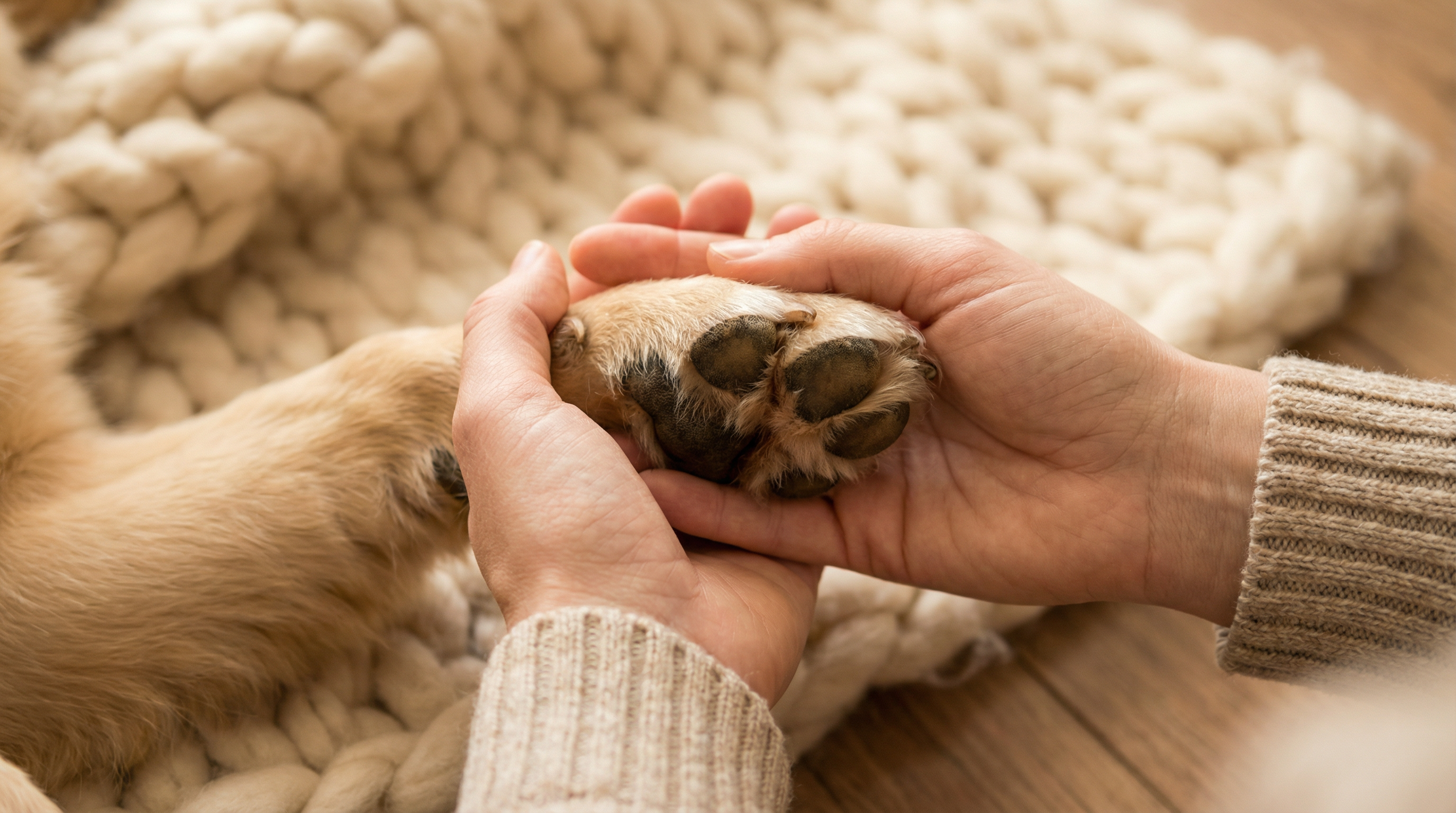
Before diving into care techniques, understanding paw structure is essential. Golden Retrievers have four digital pads (one under each toe), one large metacarpal pad (the main pad), and one carpal pad (the small pad higher up on the front legs). Between these pads lies webbing that makes Goldens excellent swimmers.
The pads themselves are made of thick, fatty tissue covered by heavily pigmented, keratinized skin—the toughest skin on your dog's body. Despite this toughness, pads are vulnerable to temperature extremes, sharp objects, chemicals, and moisture-related issues.
Nails grow continuously and contain a blood vessel called the quick. In Golden Retrievers, nails are often light-colored, making the quick visible as a pink area. Proper nail length allows the paw to make full contact with the ground, distributing weight evenly across all pads.
Daily Paw Inspection: The 30-Second Routine
Every evening, spend 30 seconds examining each paw. This simple habit catches problems early when they're easiest to treat. Make it part of your bonding routine—most Goldens learn to enjoy paw handling when associated with gentle touch and treats.
Check between toes for foreign objects: grass seeds, thorns, small stones, or burrs. These can work their way into the skin, causing painful infections. Look for cuts, cracks, or unusual coloration on pads. Healthy pads should be firm, slightly rough, and uniformly pigmented.
Examine nails for cracks or splits, and check that they're not touching the ground when your Golden stands normally. Smell each paw—a yeasty or foul odor indicates fungal or bacterial infection requiring veterinary attention.
The Weekly Deep Clean Protocol
Once weekly, perform a thorough paw cleaning that goes beyond daily inspection. Start by soaking paws in lukewarm water for 2-3 minutes to soften any debris. Use a soft brush or cloth to gently clean between toes and around pads.
For stubborn dirt, use a dog-specific paw wash or a mixture of equal parts water and apple cider vinegar. Avoid human soaps, which can dry out pads and disrupt the skin's natural pH balance. Pay special attention to the webbing between toes, where moisture and bacteria accumulate.
After cleaning, dry thoroughly—especially between toes. Moisture trapped in these areas creates the perfect environment for fungal infections. Use a clean towel and consider a quick pass with a hair dryer on the cool setting if your Golden tolerates it.
Nail Trimming: Mastering the Most Feared Task
Nail trimming anxiety affects both dogs and owners, but it doesn't have to. The key is gradual desensitization, proper technique, and the right tools. For Golden Retrievers, guillotine-style clippers or a grinding tool (Dremel) work best.
Start by handling your Golden's paws daily without cutting, rewarding calm behavior. Progress to touching paws with clippers, then cutting just the very tip of one nail. Build up slowly over weeks until your Golden accepts full nail trims calmly.
When cutting, identify the quick and trim just before it—typically where the nail begins to curve downward. Cut at a slight angle, following the natural curve. If you accidentally cut the quick (you'll see bleeding), apply styptic powder immediately and offer extra treats to maintain positive associations.
Aim to keep nails short enough that they don't click on hard floors. Overgrown nails force toes to splay, causing discomfort and eventually joint problems. If you're uncomfortable trimming nails yourself, professional groomers offer this service affordably.
Seasonal Paw Protection Strategies
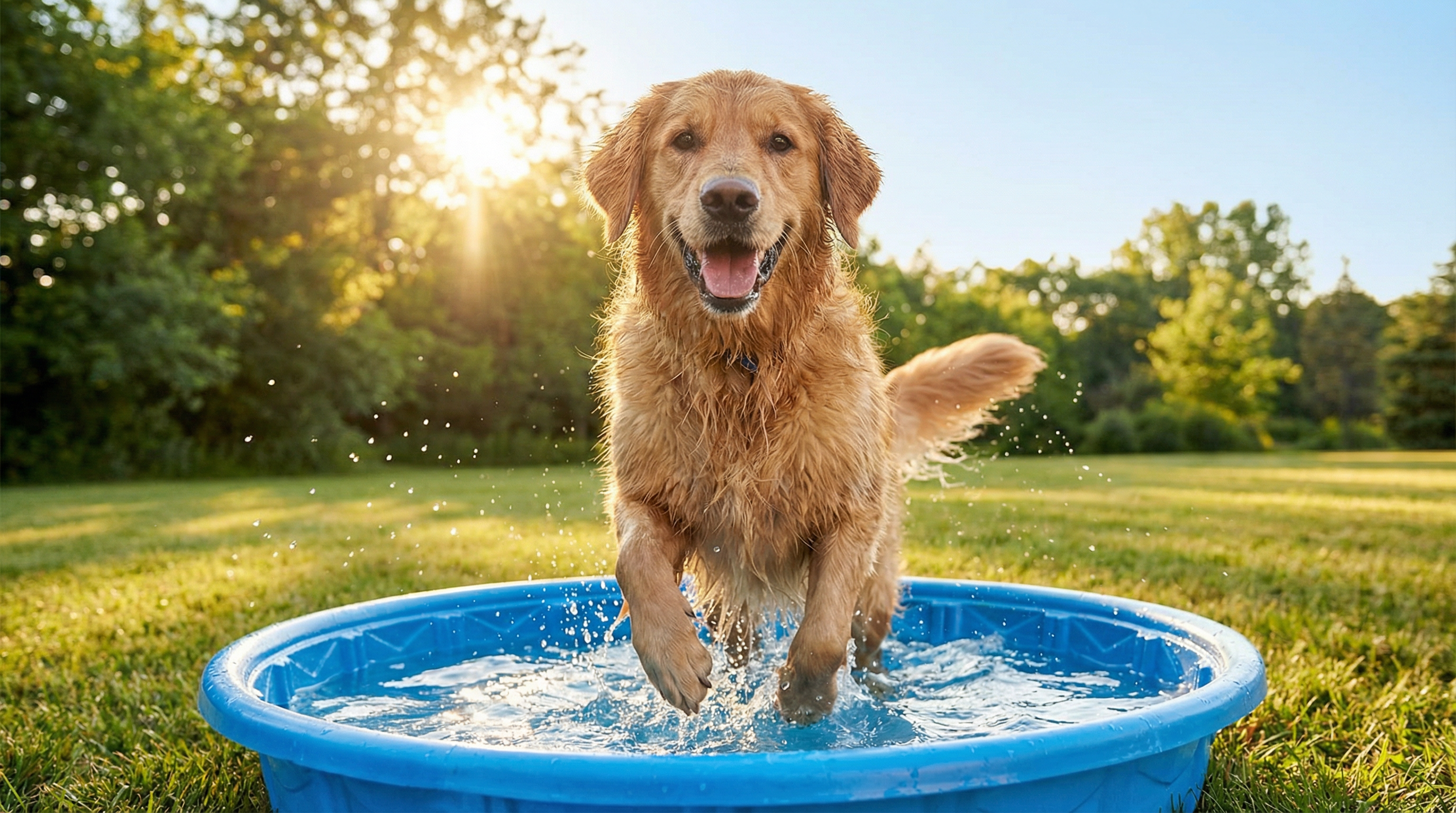
Different seasons pose unique paw challenges for Golden Retrievers. In summer, hot pavement can burn pads within seconds. Test surfaces with your hand—if it's too hot for you, it's too hot for your Golden. Walk during cooler hours and consider protective booties for unavoidable hot surface exposure.
Winter brings its own hazards: ice, snow, and de-icing chemicals. Salt and chemical de-icers cause severe pad irritation and are toxic if licked off paws. After winter walks, rinse paws with lukewarm water and dry thoroughly. Apply a protective paw balm before walks to create a barrier against chemicals.
Spring and fall mean wet conditions and muddy trails. Moisture softens pads, making them vulnerable to cuts and abrasions. Extra vigilance during post-walk inspections catches problems before they worsen. Consider using a paw protectant balm to maintain pad integrity during wet seasons.
Paw Balm: Your Secret Weapon
Quality paw balm is non-negotiable for serious Golden owners. These products moisturize pads, prevent cracking, and create a protective barrier against environmental hazards. Look for balms with natural ingredients like shea butter, beeswax, coconut oil, and vitamin E.
Apply balm 2-3 times weekly, or daily during extreme weather. Massage a small amount into each pad, working it into cracks and dry areas. Apply before bed so your Golden doesn't immediately walk on slippery floors. Most balms absorb within 5-10 minutes.
Avoid petroleum-based products, which can soften pads excessively and reduce traction. Also skip products with artificial fragrances or colors, which may cause allergic reactions. If making your own balm, keep the recipe simple: equal parts coconut oil, shea butter, and beeswax melted together.
Recognizing Problems Early: Red Flags
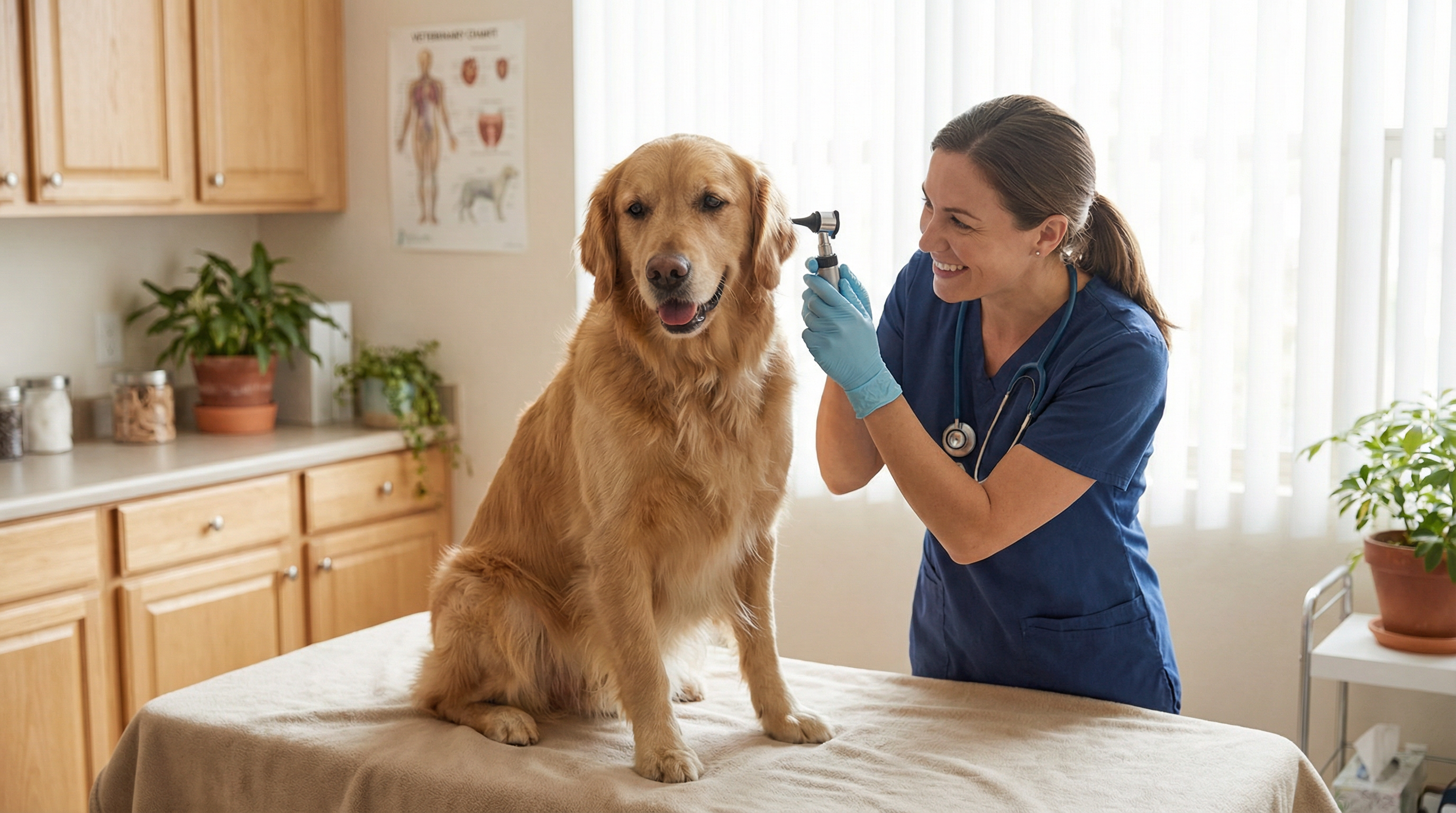
Certain symptoms demand immediate veterinary attention. Persistent limping, excessive licking of one paw, swelling, bleeding that doesn't stop within 5 minutes, or foul odor all indicate problems beyond home care capabilities.
Yeast infections appear as brown discoloration between toes, accompanied by a distinctive yeasty smell and constant licking. Bacterial infections cause redness, swelling, and sometimes discharge. Both require veterinary diagnosis and prescription treatment.
Allergies often manifest in paws first, with symptoms including redness, swelling, and obsessive licking. Environmental allergens (grass, pollen) or food sensitivities may be culprits. Your vet can help identify triggers and develop a management plan.
Building a Paw Care Kit
Every Golden owner needs a dedicated paw care kit containing: nail clippers or grinder, styptic powder, paw balm, dog-safe cleaning solution, soft brush, clean towels, tweezers for foreign object removal, and a flashlight for detailed inspections.
Store everything in one container for easy access. Keep the kit in a convenient location where you perform grooming—many owners designate a specific "grooming station" that their Golden learns to associate with paw care routines.
Replenish supplies before they run out. Nothing disrupts a good routine like discovering you're out of paw balm mid-application. Set calendar reminders to check supply levels monthly.
Conclusion
Paw care isn't glamorous, but it's fundamental to your Golden Retriever's quality of life. Those paws carry your beloved companion through years of adventures, and they deserve consistent attention and protection. The routines outlined here require minimal time but deliver maximum impact—preventing problems, catching issues early, and ensuring your Golden moves comfortably throughout their life.
Start tonight with a simple paw inspection. Make it a habit, and watch how this small act of care strengthens your bond while protecting your Golden's health. Their paws have carried them to you countless times—return the favor by keeping them healthy and strong.
Recommended Grooming Products
Keep your Golden Retriever looking and feeling their best with these essential grooming tools:
FURminator deShedding Tool for Large Dogs - Reduces shedding by up to 90% when used regularly. The stainless steel edge reaches deep beneath the topcoat to safely remove loose undercoat hair without damaging the guard hairs.
Check Current Price on Amazon →
Earthbath All Natural Pet Shampoo - Gentle, soap-free formula perfect for Golden Retrievers' sensitive skin. Made with oatmeal and aloe vera to soothe and moisturize while cleaning effectively.
Essential Care Products
As an Amazon Associate, we earn from qualifying purchases at no extra cost to you.

FURminator deShedding Tool for Large Dogs
Reduces shedding by up to 90% - perfect for Golden Retrievers' thick coats.

Earthbath All Natural Pet Shampoo
Gentle, soap-free formula perfect for Golden Retrievers' sensitive skin.

About Sarah Mitchell
Certified Canine Nutritionist, Animal Science Degree
Sarah Mitchell is a certified canine nutritionist and lifelong Golden Retriever enthusiast with over 15 years of experience in dog care and training. She holds a degree in Animal Science and has dedicated her career to helping Golden Retriever owners provide the best possible care for their beloved companions. Sarah lives in Colorado with her three Goldens: Max, Luna, and Cooper.